How do you prepare for a podcast interview? Listen to a few episodes, learn what the host and listeners care about, choose two or three points you want to share and check your sound and setting before you record. This guide offers a calm checklist for guests and hosts, whether the interview is in person or online.
Learn about the show first
Before you say yes, spend time with the podcast. Listen to two or three recent episodes and notice how long they run, how the host speaks and how much the guests talk. Is it a conversation, a series of short questions or a deeper discussion? Knowing the style helps you match it.
Look at the host’s questions too. Do they prepare a list in advance or follow the conversation where it goes? Hosts who send questions ahead usually welcome some preparation, while others prefer a looser chat. Either way, you will feel more at ease if you know what to expect.
Know your audience and your purpose
Think about who listens. A podcast about personal growth has different listeners from one about business or travel. Consider what a typical listener might want to hear from you and what you would like them to take away. Keep that in mind as you decide what to say.
Be clear about your purpose, too. Are you there to share an idea, tell a story, answer questions or invite people to a workshop? Having one clear purpose stops the conversation from wandering and keeps your points memorable.
Choose two or three talking points
You do not need a script. A short list of two or three points is usually enough. Write each one as a sentence you could say in your own words, then think of one simple example or story for each. Stories are easier to remember than lists and are far more pleasant to listen to.
- Point one: the idea you most want listeners to remember.
- Point two: a short story or example from your own experience of the topic.
- Point three: a practical suggestion listeners can try.
- A closing line: where listeners can learn more, kept short and friendly.
Avoid making claims you cannot support. Stick to what you actually know and say so plainly when you are unsure. Listeners appreciate honesty far more than confident guesses.
Prepare your answers, not your performance
Practise out loud, but do not memorise. Say your talking points to a friend or into your phone and listen back. You are checking whether your explanations are clear, not whether they sound polished. Short sentences and everyday words work best in audio.
Prepare for the usual questions, such as how you got started, what you do now and what you would tell a beginner. Having a simple answer ready for each lets you relax and enjoy the conversation.
Set up your sound and your space
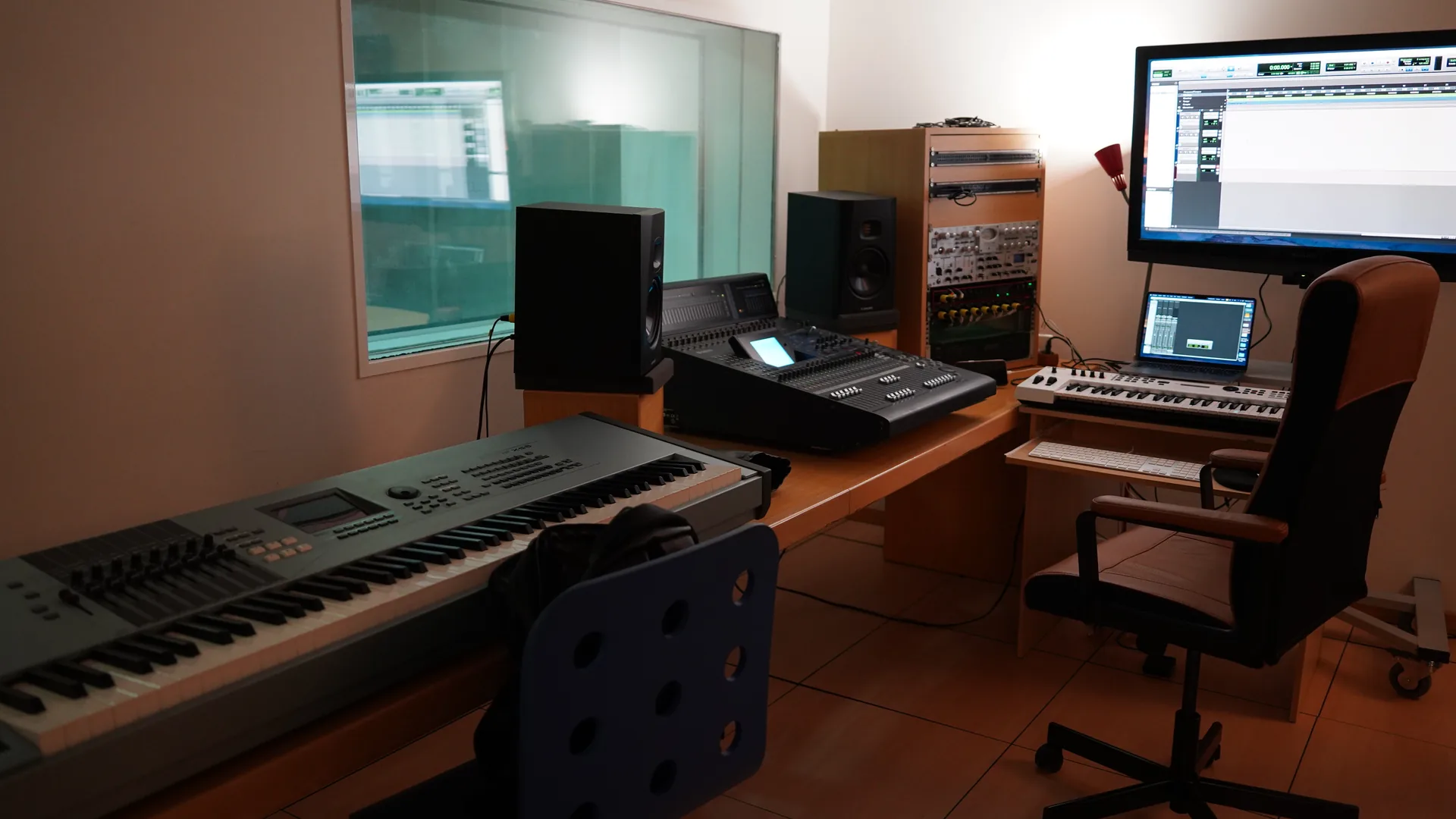
Good sound makes a bigger difference than a fancy camera. Choose a quiet room with soft furnishings, such as a rug, curtains or a sofa, that absorb echo. Switch off notifications, close windows and let people at home know you are recording.
- Use a headset or a simple external microphone if you can; the built-in laptop microphone is usually the weakest option.
- Sit close enough to the microphone to be clear without leaning in.
- Put your phone on silent and out of reach.
- Check your internet connection, and plug in a cable if possible.
- Keep water nearby and do a short sound test with a friend.
If you are recording on video, place the camera at eye level and sit facing a window or a lamp so your face is lit evenly. A plain background is enough.
On the day: arrive early and settle
Join the call or arrive at the studio ten minutes early. Use the time to say hello, check the sound and ask any last questions. Take a few slow breaths and drink some water. Most hosts are friendly and want the conversation to go well.
Speak slowly and leave a short pause before answering. In audio, pauses sound thoughtful rather than awkward. If you stumble, simply start the sentence again; most recorded interviews are edited, and hosts are used to it.
After the recording
Thank the host and ask when the episode will be released. Offer to share it with your own community when it goes live. When the episode is out, listen to it once as a learner rather than a critic and note one thing you would do differently next time.
If listeners reach out, reply politely and briefly. A simple thank you goes a long way and helps build the relationship with the show.
Common worries, answered
Many guests worry about freezing, saying the wrong thing or running out of words. These worries are normal, and they usually fade after the first few minutes. Remember that the host wants a good conversation as much as you do. They will guide the discussion, fill any gaps and keep things moving.
If you are nervous about your voice, warm up beforehand by humming gently or reading a paragraph aloud. If you are worried about technical problems, tell the host at the start and agree on a simple plan, such as rejoining the call or switching to a phone line. Having a plan makes problems feel smaller.
Finally, be yourself. Listeners enjoy a genuine, relaxed voice more than a perfect one. You can read more about who Amin Musa is to see the kind of conversation he enjoys having.
Remote or in person: what changes
Most interviews are recorded remotely, which means your own setup matters more. If you record in a studio, the engineer handles the sound and you simply arrive, relax and speak. At home, you are the engineer, so allow extra time to test your connection and your microphone. Ask the host whether they would like you to record a backup copy of your own audio, a common practice that protects the episode if the internet drops.
Whichever you choose, keep your notes short and visible, but do not read from them. A few keywords on a sticky note are enough to keep you on track.
A note for podcast hosts
If you host a podcast and are looking for guests, send a short, friendly invitation that explains your show, your listeners and how long the recording takes. Agree the date and the technical details in writing. Amin Musa welcomes podcasts and online interviews on spirituality and personal growth; see the events and workshops page or send a few lines through the contact page.
Related reading: guide to choosing a guest speaker for a retreat, Chinese face reading speaker and workshop article and interactive workshop ideas for wellness events.
Traditional face reading and Chinese medicine concepts are presented as cultural and philosophical practices, not as scientifically established methods of determining personality, diagnosing health conditions, or predicting the future.
Frequently asked questions
How long should I prepare for a podcast interview?
An hour or two is usually enough: listening to a couple of episodes, choosing your points and testing your sound. Longer is fine if the topic is complex.
Should I ask the host for questions in advance?
Yes, it is a reasonable request. Many hosts are happy to share a rough outline, and some prefer an open conversation. Either way, it helps to ask.
What if I make a mistake during the recording?
Pause and start the sentence again. Most podcasts are edited, so small slips are easy to fix.
Is it better to record on video or audio only?
Follow what the host prefers. Audio-only is simpler and keeps the focus on the conversation, while video can add a personal touch.
Do you host a show? Send a few lines about your podcast and your listeners through the contact page, or read about events and workshops page. Podcasts and online interviews are welcome.
This article is for general information and reflection, not medical, legal or financial advice.