You booked the room, chose the topic and confirmed the leader. Now the quiet question: will people come? Most small wellness workshops do not need an advertising budget. They need a clear message, a steady four-week rhythm and a few places where your community already looks. This plan gives you a week-by-week schedule, sample captions you can adapt, a one-page flyer checklist and a simple way to see what worked.
Start with one clear sentence
Before you post anything, write one sentence that answers three questions: what is it, who is it for, and when and where is it? For example:
“A relaxed Saturday morning workshop for beginners, on Saturday 14 March, 10:00 to 11:30 am at [venue], with time for questions and tea afterwards.”
Use that sentence everywhere. Consistency is more persuasive than clever wording. Then collect the facts people ask for: price or “free”, how to sign up, how many spaces, accessibility details and a contact person.
The 4-week plan
Week 4 (four weeks out): announce
- Put the workshop on your own website or sign-up page first, so every post has somewhere to point.
- Post the announcement on your main social channel and send one email to your list.
- Ask the leader to share the announcement with their own followers, with their agreement.
- Pin the post or add the date to your page header.
Week 3: explain
- Share a short post answering the most common question you expect, such as “Do I need experience?”
- Add a simple image: the room, the venue entrance or a calm photo you have the right to use.
- Mention the workshop at the end of your regular classes or events, in person.
Week 2: reassure
- Post practical details: parking, what to bring, how long it lasts.
- Share a short message from the leader about what they will do, in their own words and without promises of results.
- Send a reminder email to those who opened the first one.
Week 1: remind and close
- Post a “few spaces left” message only if it is true.
- Send a final email 3 days before and a short message the day before with directions.
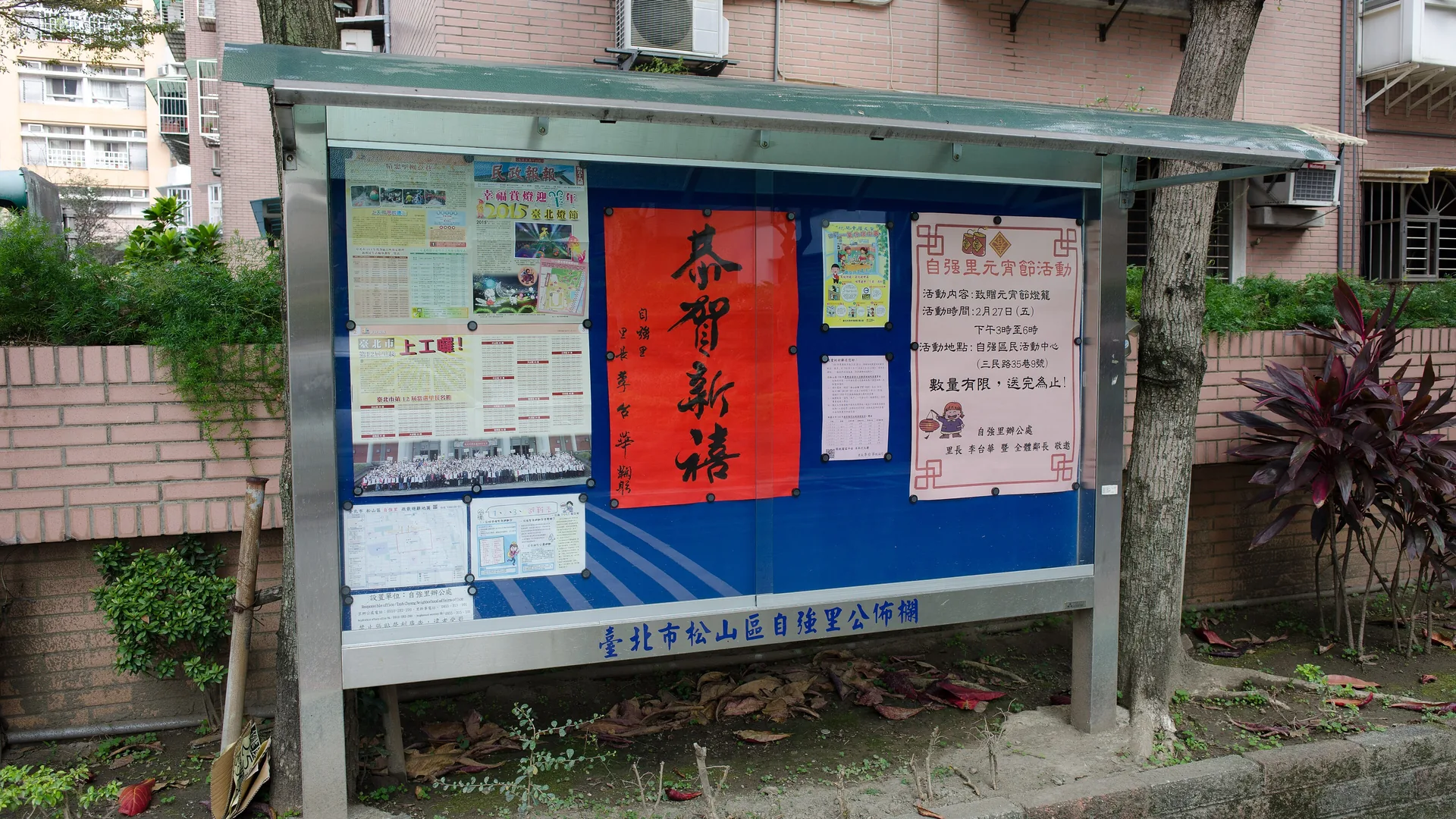
- Put a printed notice at the venue entrance and on community boards.
Sample captions you can adapt
Announcement: “We are hosting a beginner-friendly workshop on [topic] on [date]. It is relaxed, hands-on and open to everyone. Details and sign-up: [link].”
Explain: “New to this? You do not need any experience. We will explain everything as we go, and you can take part at your own pace.”
Reassure: “Quick details for [date]: doors open at [time], please bring a water bottle and a notebook, and there is street parking on [street].”
Last call: “We have [number] spaces left for tomorrow’s workshop. If you would like to join us, sign up here: [link].”
Keep captions short, avoid exaggerated claims, and never promise outcomes such as health benefits or life changes.
The one-page flyer checklist
- Event name in large type, with the date and time directly beneath.
- One line on who it is for.
- Venue address and a simple map or landmark.
- Price or “free”, and how to sign up.
- A QR code linking to the sign-up page, plus a short URL printed in words.
- A contact name and a phone number or email.
- Accessibility note: step-free entrance, seating, quiet room.
- Logo and colors that match your other materials.
Print 20 copies. Ask nearby cafes, libraries, community centers and studios whether you may post one. Take a photo of each posted flyer so you remember where they are.
Places that cost nothing
- Your own email list and website.
- Local community pages and event calendars, where posting is allowed.
- Neighborhood message boards and library notice boards.
- A short announcement at the end of your regular classes.
- Cross-posting by the workshop leader and by any partner venue.
Always follow each platform’s and venue’s posting rules, and post only where it is welcome.
Track what works
Give each channel its own sign-up link by adding a simple tag, such as ?source=newsletter or ?source=flyer, or ask a one-question box on the sign-up form: “How did you hear about this?” After the workshop, count sign-ups by source. Next time, spend your effort on the two channels that did best.
Make it easy to say yes
- One sign-up step, not three.
- Clear cancellation wording, stated before payment.
- A reply within a day to every question.
- A confirmation message that repeats the date, time, place and what to bring.
A note on speakers and guests
If a guest leads the session, agree in advance what you may say about them and share the wording with them for approval. For help finding a speaker, read how to choose a guest speaker for a retreat and the guide to workshop ideas for yoga studios and retreats.
Where Amin Musa fits
Amin Musa leads interactive workshops, talks and guided meditation sessions, and is happy to share a short description and a few photos you can use in your promotion once an event is confirmed. Visit the events and workshops page or contact us with your date and venue. For celebrations and private gatherings, see how to hire a face reader for parties and events.
Traditional face reading and Chinese medicine concepts are presented as cultural and philosophical practices, not as scientifically established methods of determining personality, diagnosing health conditions, or predicting the future.
Frequently asked questions
How early should I start promoting a workshop?
Four weeks is a good rhythm for a small local workshop. Start earlier for large venues or events with travel.
How many posts do I need?
Around six to eight short posts, one or two emails and a printed flyer are enough for most small workshops.
Should I offer an early-bird price?
Only if it suits your event and you can state it clearly. Many small workshops do well with a single, honest price.
What should I do if sign-ups are slow?
Check that the sign-up link works, ask a few past guests for feedback on the wording, and personally invite people who have attended before.