Have you been asked to introduce a guest speaker at an event and are not sure what to say? A good introduction is short, warm and clear. It tells the audience who is speaking, why the topic matters to them and how to welcome the speaker. It does not need to be clever.
Why the introduction matters
The first minute sets the tone for the whole session. A calm, friendly introduction helps the audience settle and gives the speaker a good start. A long or rushed one can leave the room restless. Most introductions are best kept to under a minute.
What to include
- The speaker’s name, said clearly and spelled for any printed programme.
- One or two facts that are true and relevant, taken from the speaker’s own approved bio.
- The title or topic of the session in plain words.
- Why it fits your audience today.
- A simple welcome, such as “please join me in welcoming …”
A simple template
Here is a template you can adapt. Replace the brackets with details the speaker has approved: Good evening, everyone, and welcome. Our guest today is [name], who [one approved fact]. Today [he/she/they] will talk about [topic], which fits our theme of [theme]. Please join me in giving a warm welcome to [name].
Ask the speaker for a short bio in advance and read it aloud once beforehand. If something is unclear, ask. It is better to read a short true sentence than a long one you are unsure about.
Common mistakes to avoid
- Reading the whole bio. Pick the best two facts.
- Adding claims the speaker has not approved.
- Telling a long personal story before the speaker begins.
- Forgetting to say the name clearly at the end.
- Leaving the microphone to the last second.
If you are nervous, practise out loud twice. The goal is to sound natural, not perfect.
Setting the room
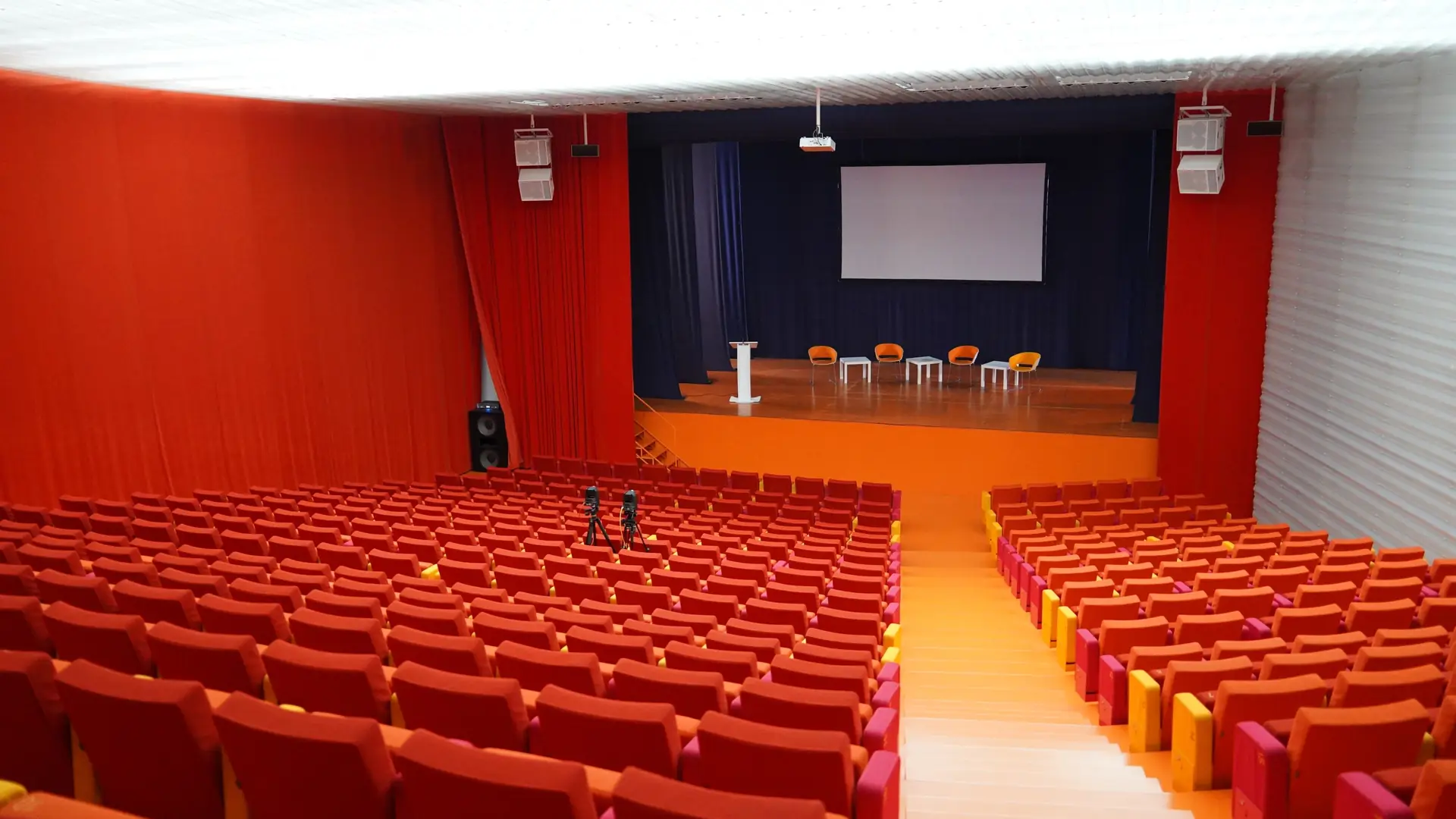
Before you speak, check the microphone, the lighting and the chairs. Stand where the audience can see you. Wait until the room is quiet, smile, and begin. When you finish, step aside and applaud. If the session has questions, tell the audience when they will be able to ask them.
Where Amin Musa can fit in
Amin gives talks, leads interactive workshops, group readings and demonstrations, and guided meditation and self-awareness sessions. He is glad to send an approved short bio for your introduction. See the events and workshops page for details, and the guide to choosing a guest speaker for a retreat if you are still choosing a speaker.
Meet Amin Musa
With over 15 years of study in Mian Xiang and Nine Star Ki, Amin Musa leads The Wise Mirror from Southern California. Read his About page.
Formats Amin can offer
- Introductory talks on Chinese Face Reading and the Five Elements
- Interactive workshops
- Group readings and live demonstrations
- Private one-on-one sessions over Zoom
- Birth date and Nine Star Ki readings
- Guided meditation and self-awareness sessions
- Customised programmes for your community
Introducing a speaker online
For a virtual event, add a few steps. Tell guests where to find the chat, check that the speaker can hear you and say the speaker’s name once more at the start. Keep the introduction even shorter, because screen time feels longer than room time. Mute your own microphone after you have finished.
It also helps to agree a signal with the speaker in advance, such as a nod or a message in the chat, so you both know when to begin. If the session is recorded, tell the audience at the start.
After the session
Thank the speaker in a sentence, mention where guests can find more information and close the session on time. A short thank-you message the next day is always appreciated.
Three example openings
Different events call for different tones. A relaxed community evening can open with a friendly sentence about why the host invited the speaker. A formal programme can open with the speaker’s name and the title of the session. A retreat can open with a moment of quiet before the name is said. Choose the tone that matches your room, and keep it consistent through the day.
- Relaxed: “I am so glad our guest could join us tonight. Please welcome …”
- Formal: “Our next session is titled … and will be led by …”
- Quiet: a short pause, a slow breath, then the name and a simple welcome.
If something goes wrong
Microphones fail, speakers arrive late and rooms fill unexpectedly. A calm host can handle all of it. Keep a spare microphone or ask the speaker to project. If the speaker is late, share the programme or invite a short quiet pause. If the room is too full, ask volunteers to bring extra chairs. Guests remember how the host handled the problem far longer than the problem itself.
Small touches that help
Learn how to pronounce the speaker’s name before the day, and write it phonetically on your notes. Ask the speaker whether they would like water on the table. Agree how you will signal that time is nearly up. These small touches show respect for the speaker and the audience, and they cost nothing.
A note on how Amin presents his work
Amin’s approach is not about judging appearances or placing people into rigid categories. It is about exploring traditional systems of interpretation as tools for reflection and meaningful conversation. Traditional face reading and Chinese medicine concepts are presented as cultural and philosophical practices, not as scientifically established methods of determining personality, diagnosing health conditions, or predicting the future.
Invite Amin Musa to your event
Based in Southern California and serving all of Los Angeles County. Available to travel for paid events outside the county; details are discussed individually. Virtual workshops, podcasts and online interviews are welcome too.
Ready to start the conversation? If you are planning a talk or workshop in Los Angeles County, or a virtual event, please get in touch. Please contact us with the date, the place and a few lines about your event. There are no set prices for events and workshops, so tell us what you have in mind.
Prefer a one-to-one conversation instead? You can read about private Chinese face reading sessions over Zoom or spiritual guidance sessions online.
The Wise Mirror: Discover Yourself. Understand Others. See Beyond the Surface.
Frequently asked questions
How long should a speaker introduction be?
About one minute, or two or three sentences. Keep it short so the audience can hear the speaker.
Where do I find facts for the introduction?
Ask the speaker for a short approved bio in advance. Use only facts the speaker has confirmed.
Can Amin Musa provide a short bio for the host?
Yes. Amin is glad to share an approved short bio on request through the contact page.
Does an online event need a different introduction?
Slightly. Keep it shorter, say the name clearly, check the sound and tell guests where to find the chat.